FREE SHIPPING ON ALL ITEMS AT FAB FINGS
How to Tell if Jewellery Is Truly Vintage: 15 Signs to Look For
How to Tell if Jewellery Is Truly Vintage: 15 Signs to Look For
Vintage jewellery has a timeless appeal. Whether you're hunting for a unique statement piece, investing in quality craftsmanship, or simply love the romance of owning a piece of history, knowing how to identify genuine vintage jewellery is essential.
With reproductions becoming increasingly convincing, it can be difficult to distinguish authentic vintage treasures from modern imitations. Here are 15 key signs that can help you determine whether a piece of jewellery is truly vintage.
What Does "Vintage" Jewellery Mean?
Generally, jewellery is considered vintage if it is at least 20 years old. Pieces over 100 years old are usually classified as antique. Vintage jewellery often reflects the design trends, materials, and manufacturing techniques of its era, making each piece a fascinating snapshot of history. Beware of sellers who say vintage when they actually mean 'vintage style'. This would never knowlingly happen here at Fab Fings.
1. Check for Hallmarks and Maker's Marks
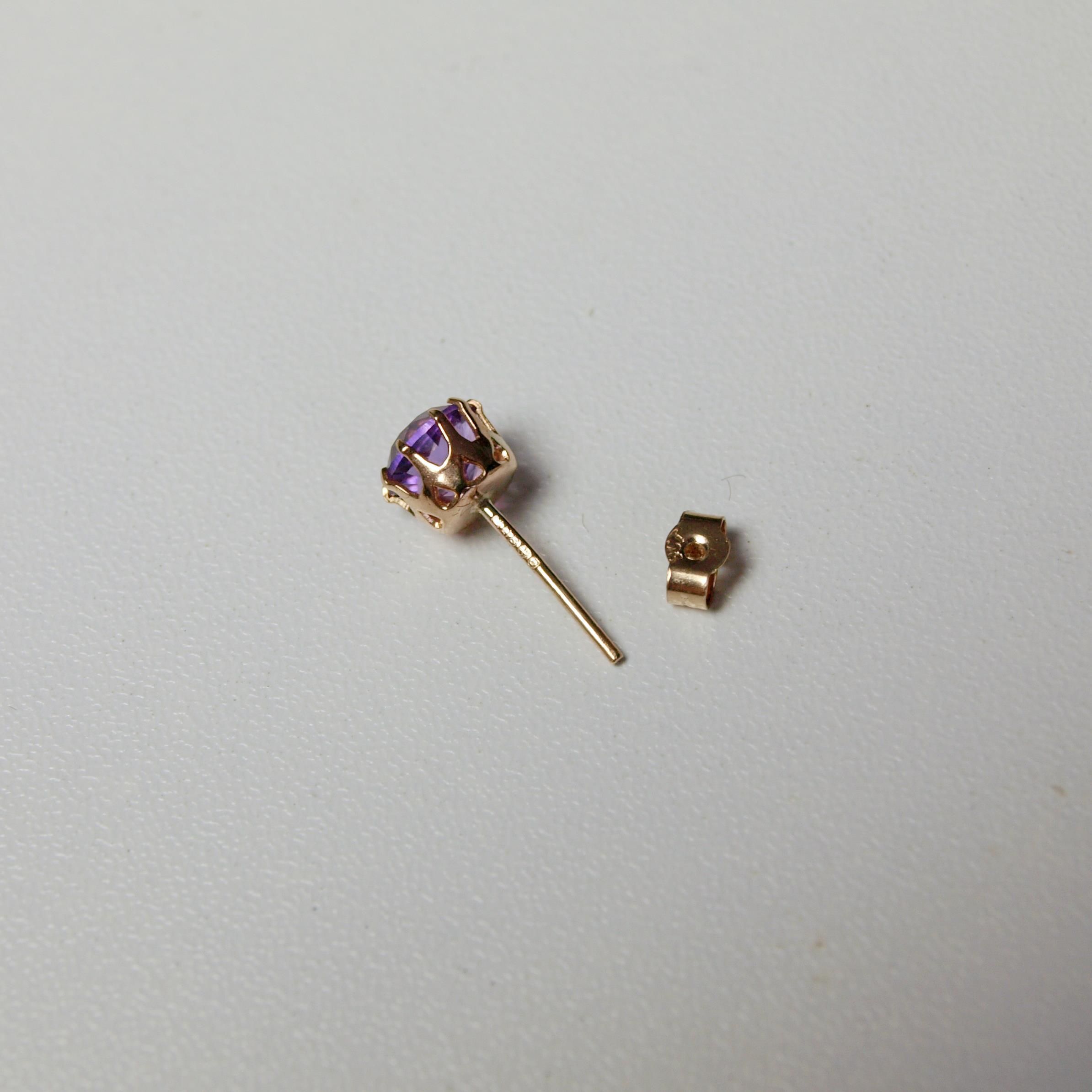
One of the first things to examine is the hallmark. Genuine vintage jewellery often carries stamps indicating metal purity, country of origin, or the maker's mark.
Examples include:
- 9ct, 14ct, 18ct or 22ct gold marks
- Sterling silver marks such as "925"
- Assay office marks
- Designer signatures or manufacturer stamps
Keep in mind that some older pieces may have worn or incomplete hallmarks due to decades of use.
Suggested Image: Close-up photograph of vintage jewellery hallmarks under magnification.
2. Examine the Clasp
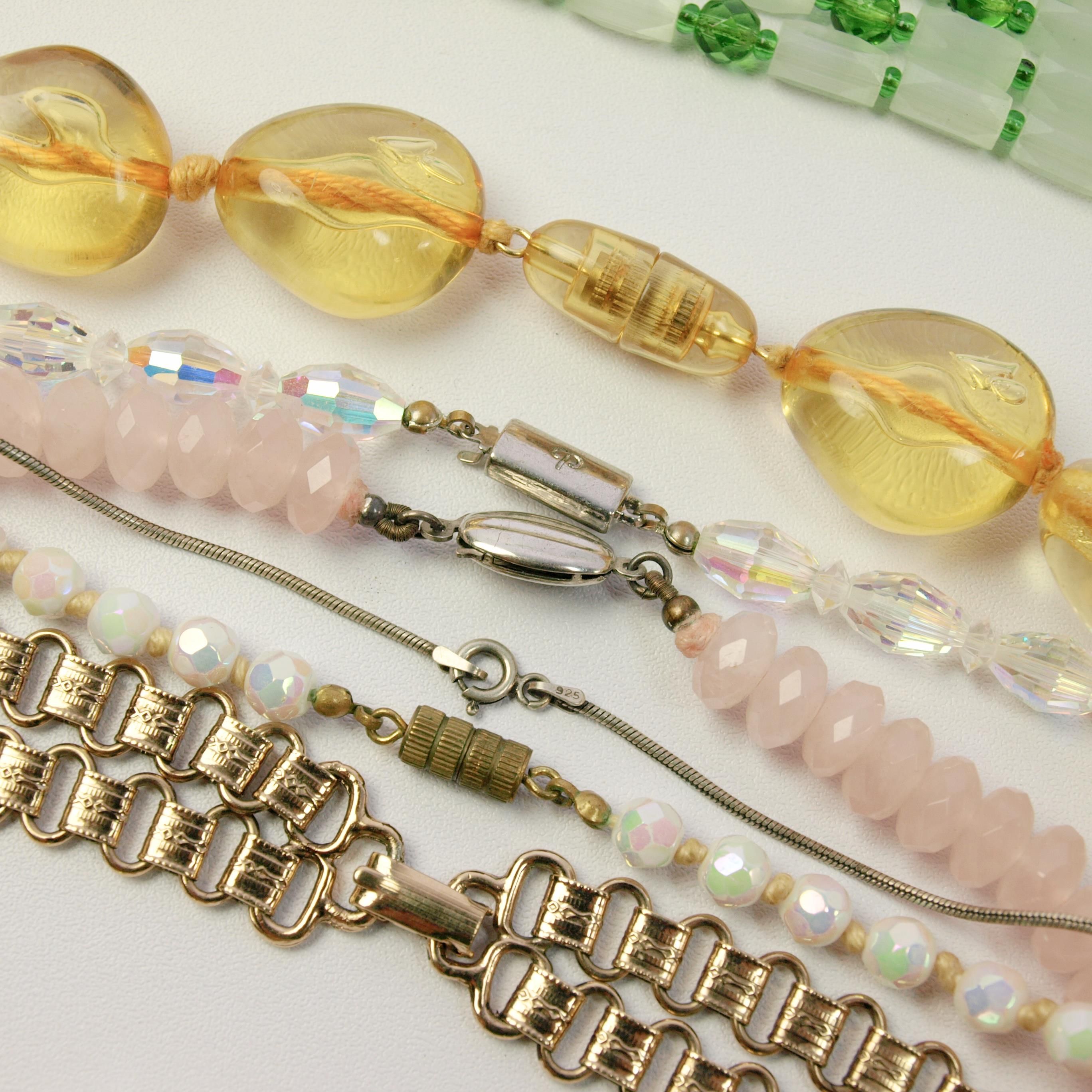
Jewellery clasps have evolved over time, making them useful indicators of age.
Common vintage clasp styles include:
- Box clasps
- C-clasps
- Tube clasps
- Early safety catches
Modern lobster clasps and spring rings can indicate later manufacture, although repairs may have introduced newer components.
Suggested Image: Side-by-side comparison of vintage and modern clasps.
3. Look at the Craftsmanship
Many vintage pieces were handmade or finished by skilled artisans. Signs of authentic craftsmanship include:
- Hand-set stones
- Intricate metalwork
- Fine engraving
- Detailed filigree work
Mass-produced modern jewellery often lacks the same level of detail.
4. Assess the Wear and Patina
Authentic vintage jewellery usually shows natural signs of age.
Look for:
- Softened edges
- Gentle surface wear
- Patina on silver
- Minor scratches consistent with long-term use
Be cautious of artificially aged pieces where wear appears uniform or deliberately distressed.
Suggested Image: Natural silver patina on a vintage brooch.
5. Study the Gemstone Cuts
Gemstone cutting styles changed significantly over the decades.
Older jewellery may feature:
- Old Mine Cut diamonds
- Old European Cut diamonds
- Rose-cut diamonds
- Transitional cuts
These cuts often have a distinctive sparkle and character that differs from modern precision-cut stones.
6. Check for Hand-Cut or Irregular Stones
Many vintage pieces contain stones that are not perfectly symmetrical. Before modern cutting technology, gemstones often displayed slight variations that can indicate age.
7. Identify Period-Specific Design Features
Certain design styles are strongly associated with specific eras.
Victorian (1837–1901)
- Romantic motifs
- Lockets
- Seed pearls
- Garnets
Art Nouveau (1890–1910)
- Flowing lines
- Nature-inspired themes
- Enamel work
Art Deco (1920s–1930s)
- Geometric designs
- Bold contrasts
- Platinum settings
Mid-Century (1940s–1960s)
- Large statement pieces
- Abstract forms
- Bright gemstones
Recognising these styles can help date a piece more accurately.
Suggested Image: Collage showing jewellery from different historical periods.
8. Inspect the Back of the Piece
The reverse side often reveals valuable clues.
Vintage jewellery may show:
- Hand-finished details
- Older soldering techniques
- Open-backed stone settings
Modern reproductions often have cleaner, more uniform construction.
9. Look for Signs of Repair
Repairs are common in genuine vintage jewellery and can actually support authenticity.
Possible indicators include:
- Replaced clasps
- Re-tipped prongs
- Re-soldered joins
A piece showing decades of careful maintenance often has a more believable history.
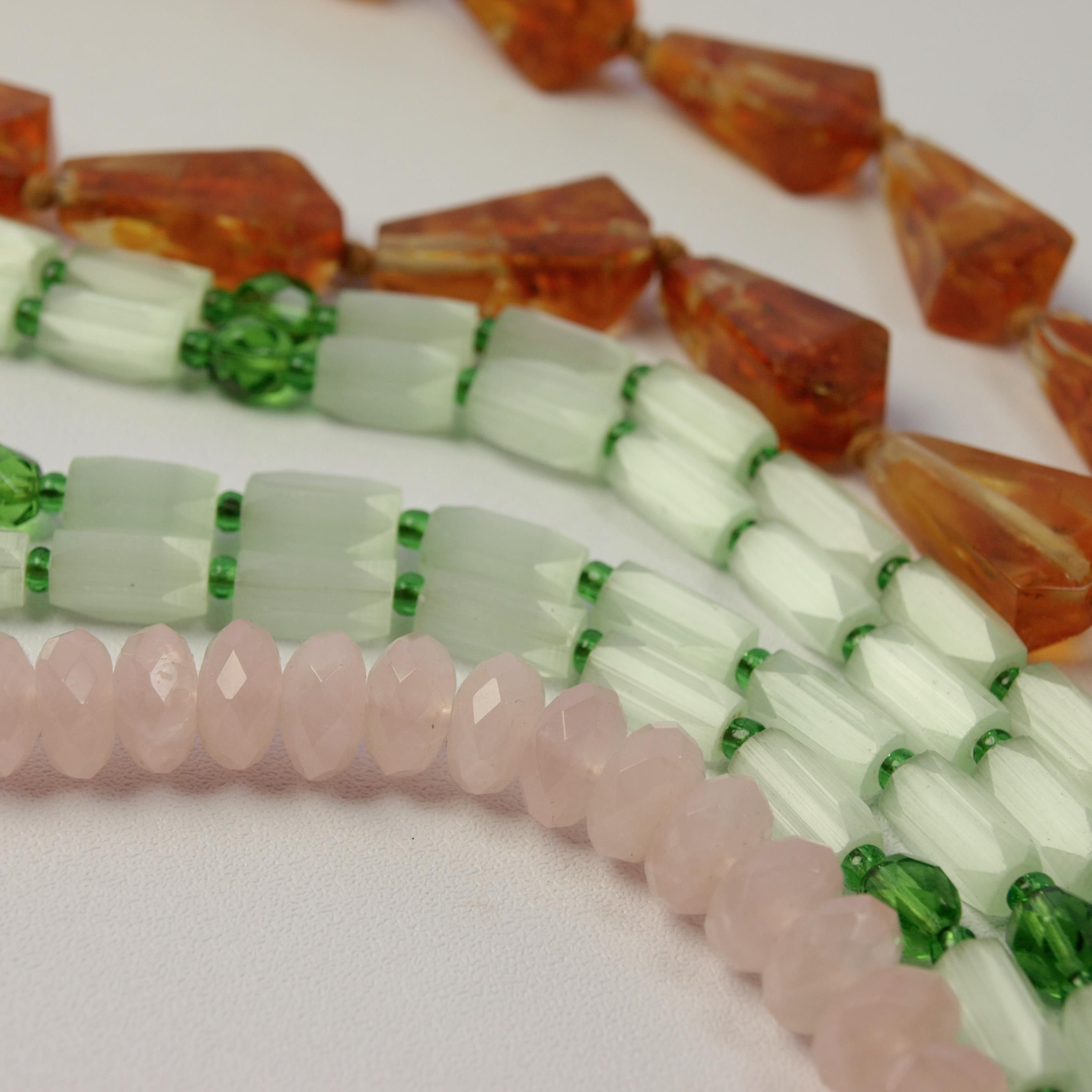
10. Evaluate the Materials Used
Some materials were especially popular during certain periods.
Examples include:
- Bakelite
- Jet
- Paste stones
- Celluloid
- Early plastics
These materials can help establish a piece's age and era.
11. Check the Weight
Vintage jewellery is often heavier than modern equivalents because older pieces frequently used more substantial metal construction.
While weight alone isn't proof of age, unusually light pieces may warrant closer inspection.
12. Research the Designer
If the jewellery bears a maker's mark, researching the manufacturer can provide valuable information about production dates and authenticity.
Many famous jewellery houses maintained distinctive styles and hallmarking practices throughout their history.
13. Examine Stone Settings
Certain setting styles are associated with particular periods.
Examples include:
- Millegrain settings
- Bezel settings
- Closed-back settings
- Hand-fabricated claw settings
Modern cast settings often appear more uniform and machine-made.
14. Use a Magnifying Loupe
A jeweller's loupe can reveal details invisible to the naked eye.
Look for:
- Tool marks
- Hand engraving
- Stone wear
- Hallmarks
- Evidence of age-related construction techniques
Even a simple 10x loupe can provide valuable clues.
Suggested Image: Jewellery inspection using a jeweller's loupe.
15. Consider the Provenance
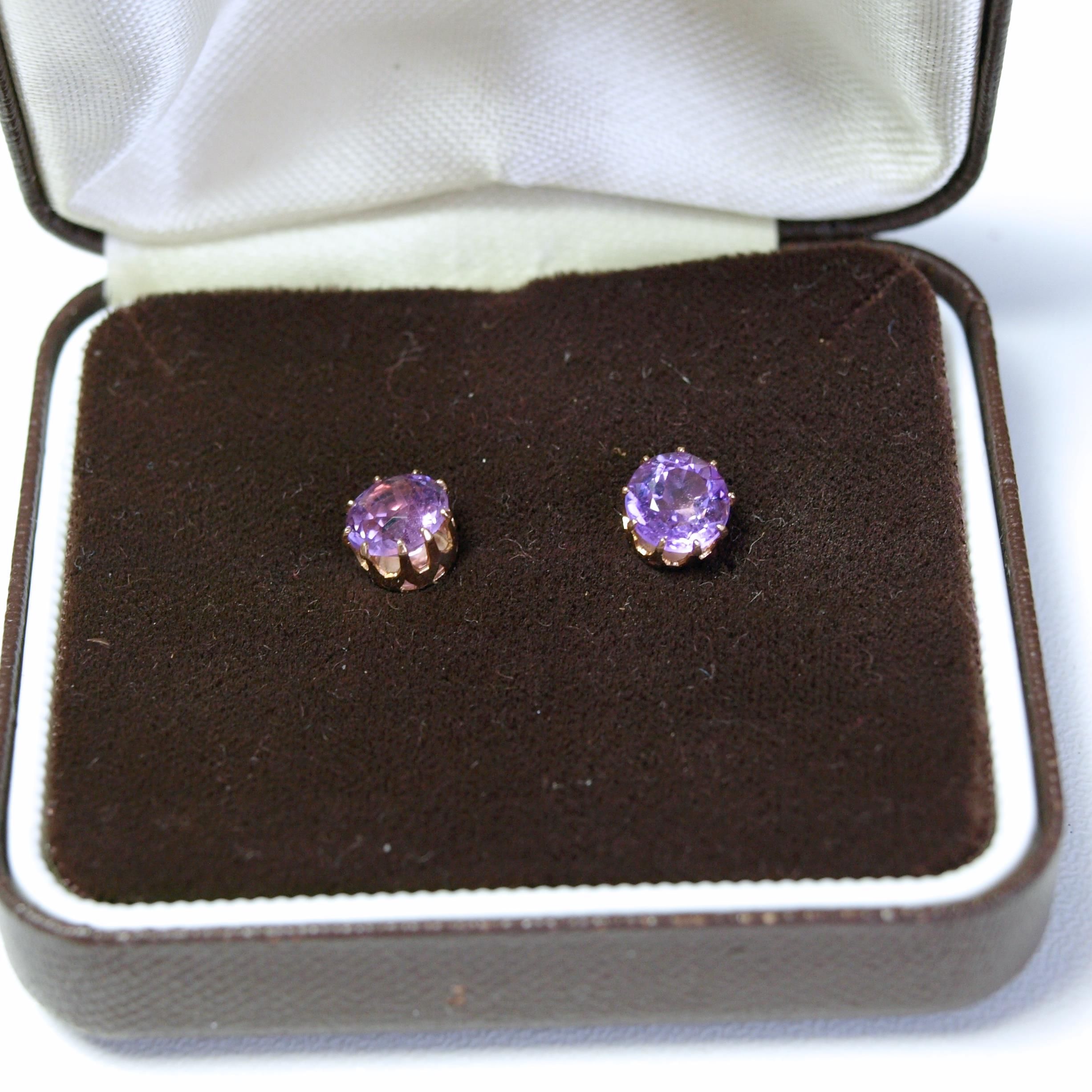
Documentation, original boxes, receipts, and family history can all support authenticity.
While provenance isn't always available, any supporting evidence can help build confidence in a piece's age and origin.
Final Thoughts
Identifying genuine vintage jewellery is part science, part detective work. Hallmarks, craftsmanship, materials, gemstone cuts, and signs of natural wear all contribute to the story a piece tells.
The more examples you study, the easier it becomes to recognise authentic vintage treasures. Whether you're collecting, investing, or simply searching for something unique, understanding these 15 signs will help you buy with greater confidence.
At Fab Fings, we love uncovering beautiful jewellery with history, character, and timeless charm. Every vintage piece has a story to tell — and finding that story is part of the joy.
Looking for Authentic Vintage Jewellery?
Browse our carefully selected collection and discover unique pieces that have stood the test of time. From elegant brooches to timeless necklaces and statement rings, vintage jewellery offers beauty and craftsmanship that simply can't be replicated.
Display prices in:GBP